When it comes to GPS running watches, there are generally three types of runners that people cater to:
-
Road runners (pace, distance, heart rate)
-
Trail runners (navigation, altitude, durability)
-
Multisport athletes (triathlon, cycling, swimming)
For some, GPS accuracy and battery life are also critical, but I’ve found that most readers ask me to recommend a watch with the above three use cases. While I’ve discussed GPS chipsets and HR sensors at length, I thought it would be interesting to discuss portable GPS running watches because they have a few caveats that few people know. They shouldn’t be trusted in isolation — only used to identify trends. Why? Let’s discuss.
At the moment, the two most popular GPS chipsets you will find in many GPS running watches (both road and trail) are the Airoha AG3335M and the Sony CXD5610. Across all of the watches I’ve reviewed in the past few months, I’ve seen one of these chipsets in every watch that supports dual-frequency GPS. In other words, they’re very common and used all across the industry.
Many people don’t know that these chipsets provide distance estimates by default — not absolute truth. Below is an explanation of the GPS accuracy for the Airoha AG3335M.
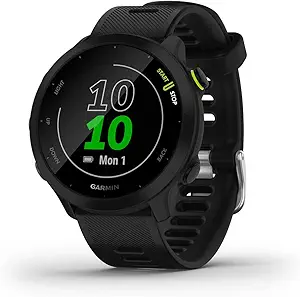
From Garmin GPS running watch brochure.
In short, since the absolute GPS accuracy from consumer chipsets isn’t always perfect (more on that soon), the companies that produce the chipsets have generally opted to use multi-band filtering instead. In Garmin’s case, the GPS chipset adapts and calibrates itself frequently based on satellite signal quality. This means a CEP of 2.5m should always mean ‘typical accuracy’ and 5m ‘degraded accuracy’ regardless of your environment. In other words, this number helps identify trends but not absolute positions.
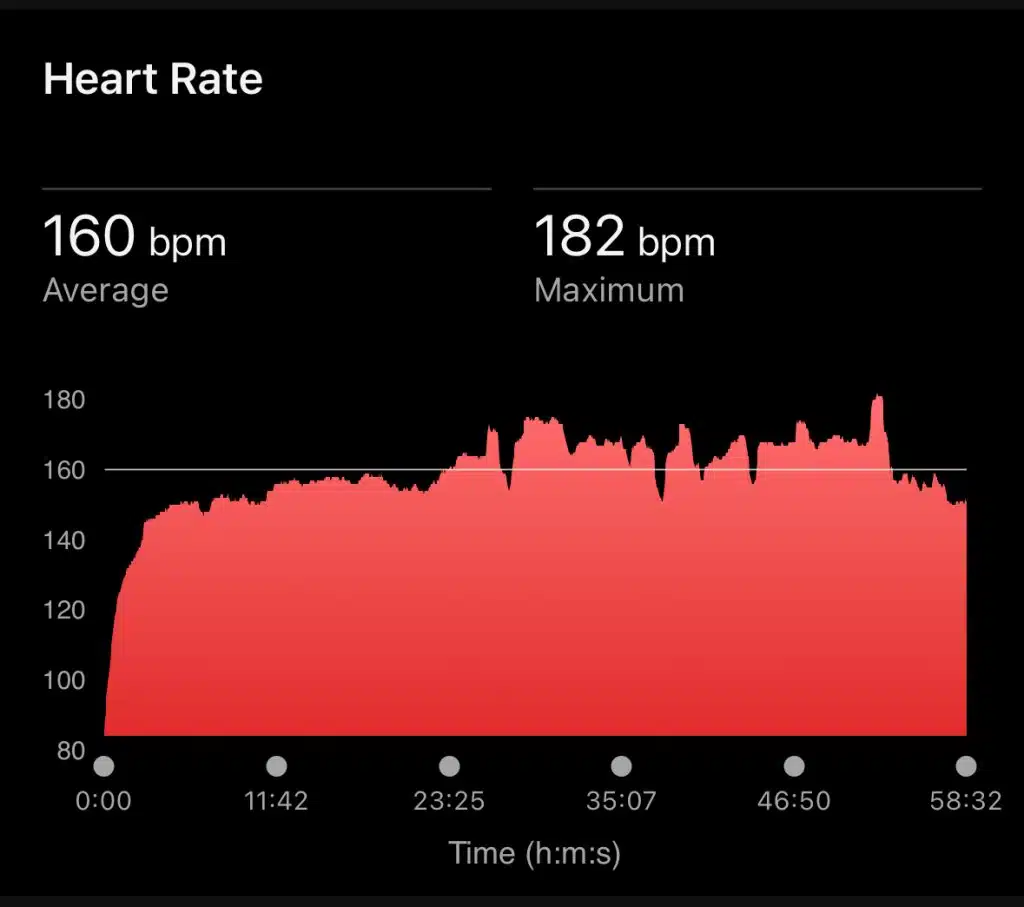
Polar GPS running watch training data from Polar RC3 GPS user manual.
Above is an explanation from Polar that recommends that GPS watch manufacturers don’t use the raw output from their GPS chipsets but rather use multi-constellation GNSS processing. This processing functions the same as Garmin’s and sets the satellite signal baseline over a set period (which manufacturers can adjust). Therefore, any reading below the baseline indicates improving GPS conditions, and any reading above represents worsening satellite reception.
So, why do these manufacturers recommend this approach? It’s because consumer-grade GPS chipsets aren’t perfectly accurate unless you have full satellite visibility. This is because GPS signals are more susceptible to multipath errors in certain environments and less susceptible in others.
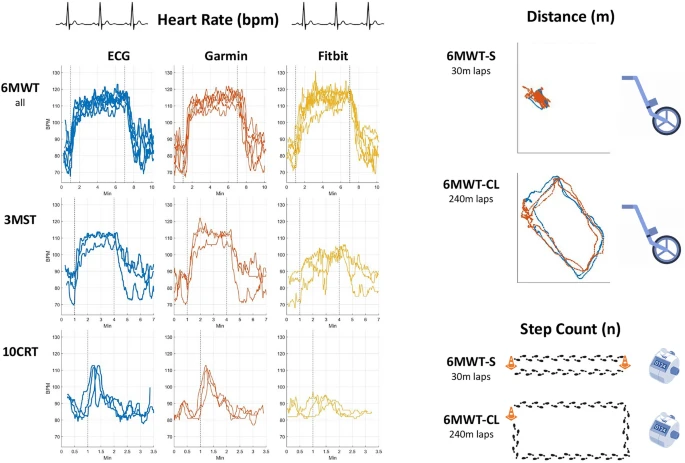
The above image from a GPS accuracy study shows how a dual-frequency GPS chipset has different accuracy in different environments (urban canyon vs open sky).
As you can probably guess, since GPS chipsets have different accuracy in different environments, and we can never know for sure the exact satellite visibility of our running route, an absolute GPS distance measurement should be taken with some degree of context. While many older GPS watches (and some current ones) do give precise-seeming values, and even the chipsets mentioned in this post can be configured to show raw data, they’re not always perfectly accurate.
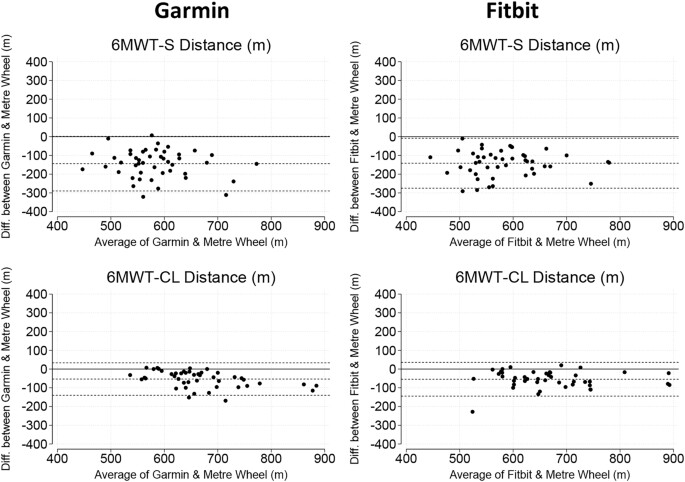
Based on this information, I don’t think anyone should choose a consumer-grade GPS running watch based on GPS accuracy alone. None of them are perfectly accurate, and the distance recorded by the device should be used only to identify trends in your running performance.
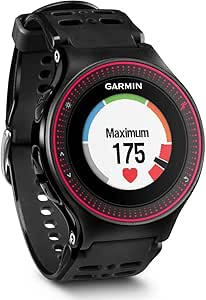
The Garmin Fenix 7 shows only multi-band GPS mode (on), GPS+GLONASS mode, or GPS-only mode for satellite selection. While I didn’t realise it then, this makes a lot of sense with the limitations of GPS chipsets in running watches.
One final note is that since these chipsets regularly readjust their baselines (depending on the period set by the GPS watch manufacturer), overall trends shouldn’t be trusted — only short-term trends over a run or less. Some watches will allow you to adjust the GPS mode, but it’s not always documented.
At the end of the day, having a dual-frequency GPS chipset in a running watch is useful, but it’s important to know the limitations and caveats of such chipsets. If you have any questions, please don’t hesitate to ask below!
Also see: DCRainmaker GPS Running Watch Power Meter Reviews
And: Garmin GPS Running Watch Reviews
Find the best GPS running watch for your needs: GPS Running Watch Comparison
Available here: Garmin Forerunner 255S Music