After seeing the name Garmin Venu S2 come up in most conversations regarding consumer-grade GPS running watches, I’m thrilled to announce that I finally have one of their GPS running watches for testing. Namely, the Garmin Venu S2. This watch currently sits at the top of Garmin’s Venu range of GPS running watches. If you want to learn more about this range and the differences between the watches, please refer to the more complete post below:
Garmin GPS Running Watches Compared (Forerunner 255 Black, Venu S2, Forerunner 55S)
Anyway, I’ve been using the Venu S2 for a couple of days, and I want to share my thoughts before my full review here. If you have any questions regarding the device or any topics you want covered in the full review, please let me know here, and I will do my best to answer them!
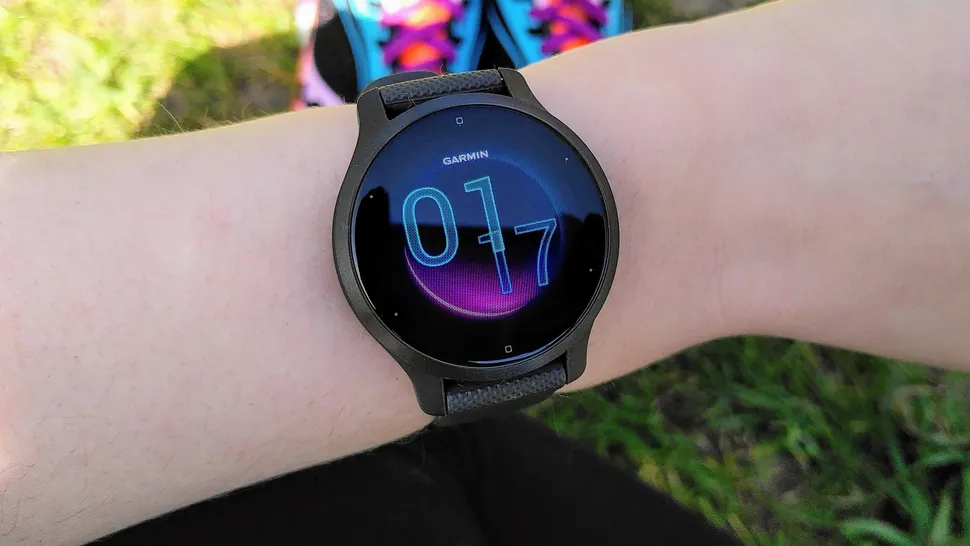
At first glance, the Venu S2 is a well-built, compact GPS running watch. While it doesn’t achieve the tiny size of some GPS running watches like the Wahoo Elemnt Rival or the Coros Apex 2, it is a very compact watch that isn’t all that much bigger than a device like the Garmin Fenix 7 or Apple Watch Series 8 (although, it’s certainly not as lightweight as these two devices).
Below is a size comparison, but please don’t pay attention to the GPS accuracy readings on each watch, as the Venu S2 was not calibrated in this image.
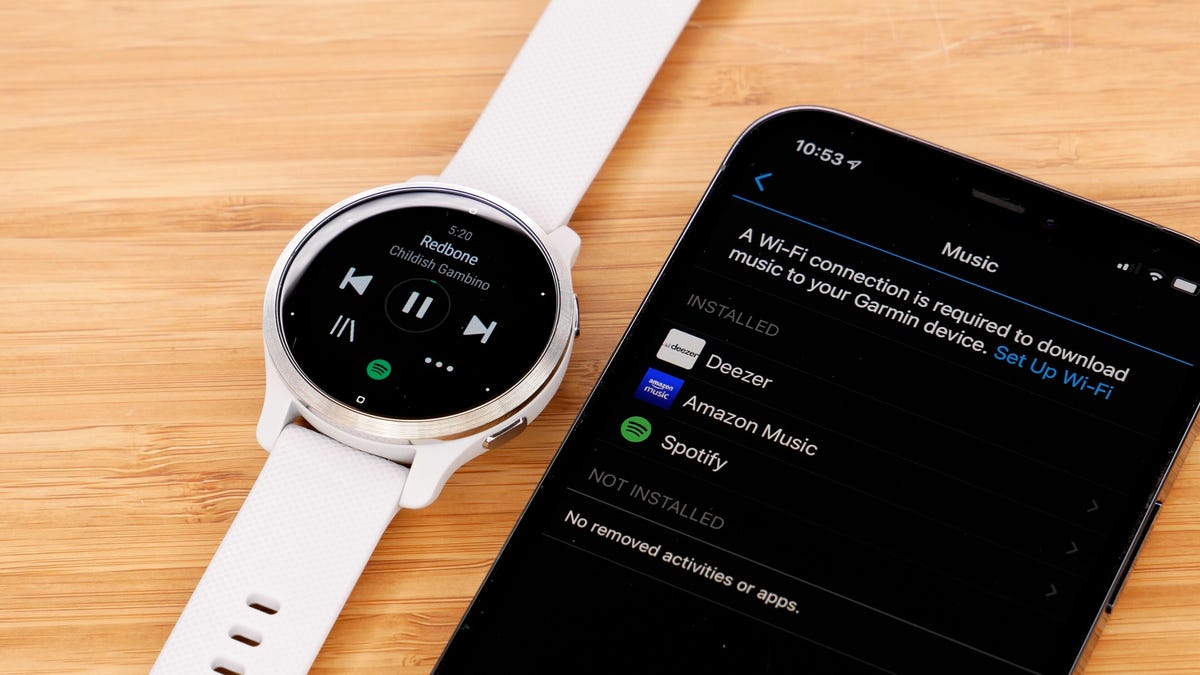
Overall, I’m a fan of the general build quality, and I always love AMOLED screens on GPS running watches. It means that the screens are viewable in bright sunlight; it also means that they have fantastic contrast and viewing angles, making the screens a pleasure to view in any conditions.
However, I do have an issue with the screen, which shows only one training metric at a time by default. For a device with a screen this large, I don’t see why I can’t see GPS pace, heart rate and training load all from one view. Even my Garmin Forerunner 255 with its smaller screen is able to show all of these metrics (and VO2 Max) at once without the screen feeling cluttered. While I can change the metrics shown on the screen via the activity settings, I feel quite let down by the fact that only one shows at a time by default. I recently expressed similar feelings with the Google Pixel Watch 2. With that said, this is far from a deal-breaker, but it is an annoyance I have with the device.
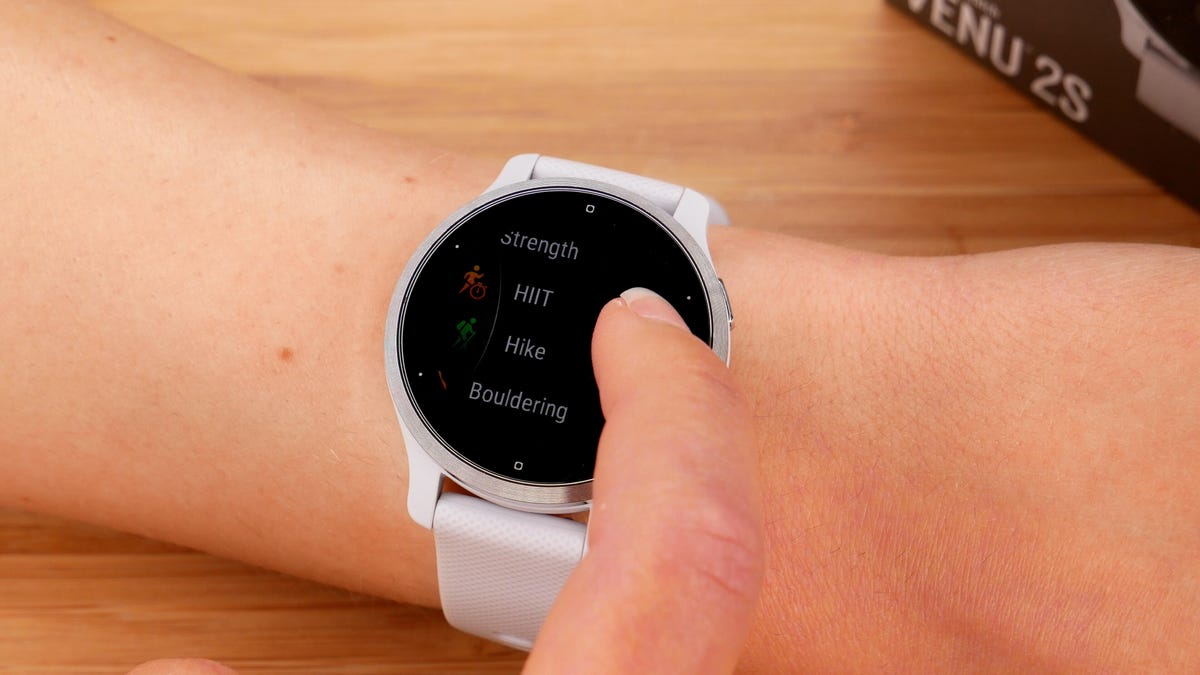
One area of particular interest to me with this watch is its use of a Garmin Elevate v4 optical HR sensor. I haven’t tried one of these before, and I’m always extra curious about watches that use their own proprietary sensors as opposed to sensors from big manufacturers like Polar or Wahoo. While the GPS and training load algorithms are from Garmin and Firstbeat (which are known to perform well), these are proven to perform well.
I will need to keep an eye on the heart rate readings over the coming weeks, but so far, the values seem to read slightly lower than the Polar H10 chest strap and about 5 BPM below my Polar Vantage V3 during hard efforts. However, from my own findings, I trust the H10 more, so this is a good sign. Polar chest straps are also known to underreport slightly at very high intensities, so again, this is likely a positive thing.
I have already found it quite interesting that the GPS pace readings on this watch tend to be very similar to those on my calibrated Garmin Fenix 7 reference device, my Coros Apex 2, and Garmin Forerunner 265. While I need to spend more time looking into this, it appears to use the same Airoha GPS chipset as other Garmin devices. That said, it seems to be an accurate device overall.
Anyway, that’s it for now! If you have any questions about the device, please don’t hesitate to let me know.